The best way to get to the historic capital of Sardinia is by sea, a city rising in a helter-skelter of facades, domes, and palazzo up to the rocky centerpiece. Although Tunisia is nearer than Rome, this city is the most Italian among the Sardinia cities. Friends of mine who run Performance Chiropractic + Physiotherapy shared stories of their Italian adventure of Vespas buzzing down boulevards and locals relaxing at cafes tucked down arcades in the Marina district. Here are the top must-see attractions in Cagliari, Italy.
Cattedrale di Santa Maria
Cagliari’s elegant 13th-century cathedral stands gracefully on Piazza Palazzo. Apart from the bell tower, little relics of the first Gothic structure remains: the Pisan-Romanesque exterior is a twentieth-century imitation, added in 1938. Inside, the former Gothic church has disappeared underneath an icing of baroque décor, the outcome of a radical late-seventeenth-century makeover. Shining frescoes beautify the ceilings and the side chapels’ spillover with lush sculptural whirls.
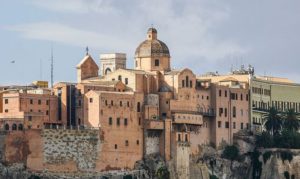 II Castello
This hilltop citadel is the most iconic image in Cagliari, its palazzo, towers, and domes, once home to the aristocracy of the city, rising above the ramparts constructed by the Aragonese and Pisans. Inside the ramparts, the old Gothic city divulges itself just like a Pandora’s box. The Pisan palaces, museums, cathedral, and university are crammed into a jigsaw of high-walled alleys. Although it may seem sleepy, this area harbors several cafes, bars, and boutiques popular with hipsters, students, and visitors.
Bastione di Saint Remy
This huge neoclassical structure, consisting of a panoramic terrace, monumental stairway, and gallery space, was built into the medieval walls of the city between 1899 and 1902. The highlight includes the graceful Umberto I terrace, which offers breathtaking views over the jumbled rooftops of Cagliari to the distant mountains as well as the sea.
Poetto Beach
A bus ride from the city center, Cagliari’s legendary Poetto beach stretches for 7 kilometers beyond the Promontorio di Sant’Elia, also known as Devil’s Saddle (Sella del Diavola). In the summer, many people come here to sunbathe and party in the bars and restaurants that line the beach.
Museo Archeologico Nazionale
Of the four Citadella dei Musei museums, this stands out. The premier archaeological museum in Sardinia displays artifacts spanning many years of history, from the Neolithic, through the Iron and Bronze Ages to the Roman and Phoenician eras. Highlights include an excellent bronze figurines collection and Giganti di Monte Parma (a sequence of colossal figures), which are an important source of information of mysterious Nuraghic culture in Sardinia.
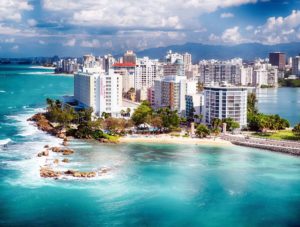
 If you have never got the chance to travel alone in your life, you are really missing out on the experience. Spending time by yourself is considered to be one of the best ways to learn more about yourself as a person. While traveling with friends may sound much more tempting to you, solo travel provides you with some really nice benefits that you would simply not get the chance to enjoy by traveling with your friends. For example, one of the biggest benefits of solo travel is that it puts a lot of positive pressure on you.
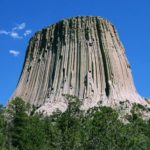 DEVIL’S TOWER, WYOMING
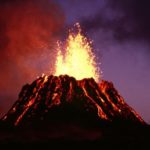 KILAUEA VOLCANO, HAWAII
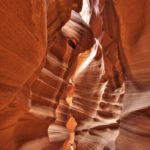 ANTELOPE CANYON, ARIZONA
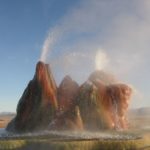 FLY GEYSER, NEVADA
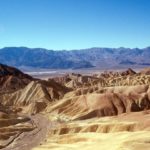 DEATH VALLEY, CALIFORNIA
 First Aid Kit
 Car Attire
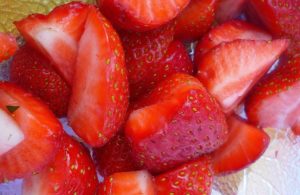 Healthy Food